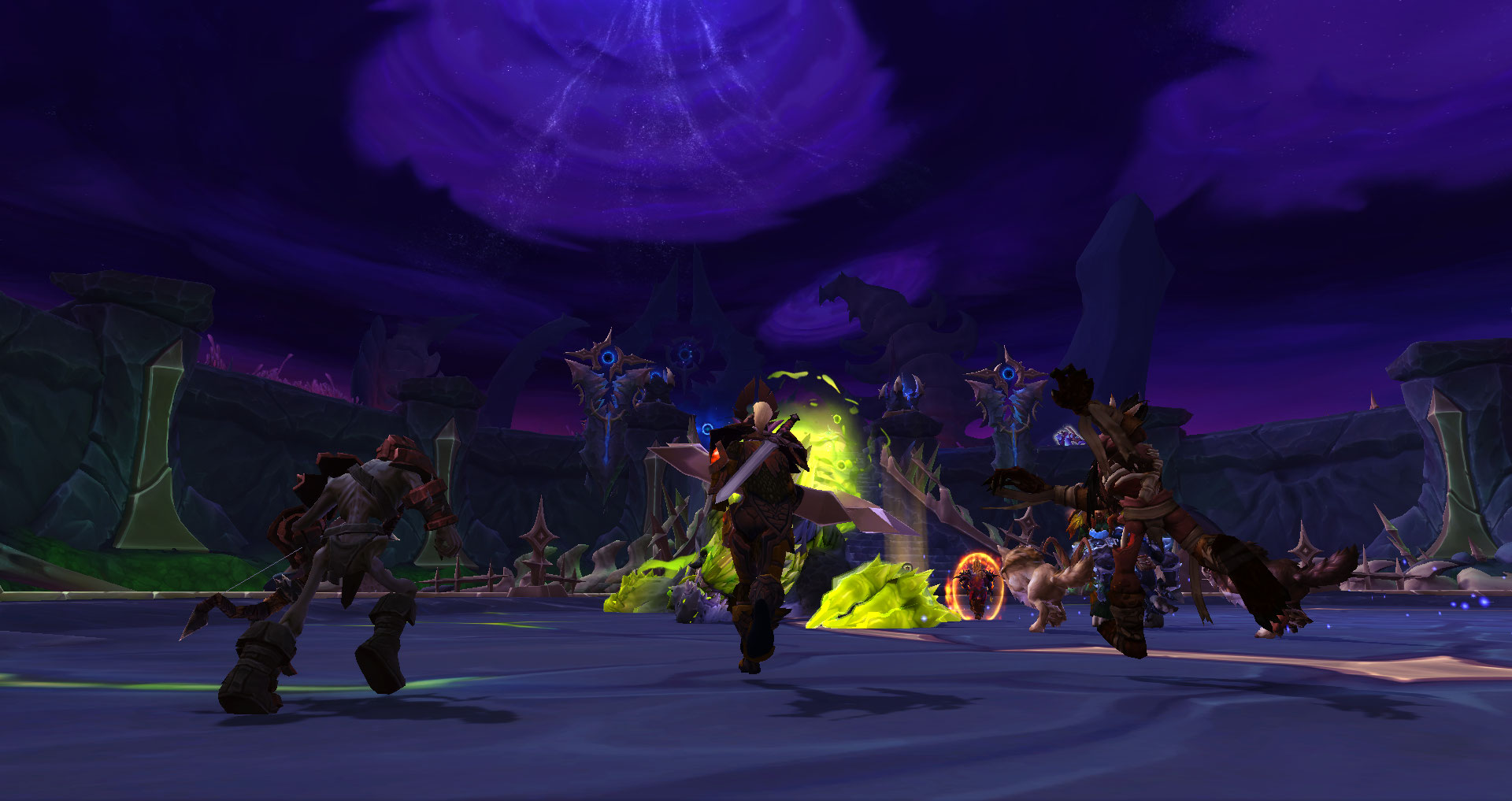
Understanding the mechanics and strategies of the Voidscar Arena, Blinding Vale, and Den of Nalorakk is crucial for any team looking to succeed in competitive play. This guide will delve into the essential rotation math and strategies that every pugging team should be aware of. By mastering these concepts, players can optimize their performance and improve their chances of victory in these challenging environments.
What are the key mechanics of Voidscar Arena?
Voidscar Arena features unique mechanics that require precise coordination and timing from all team members.
In Voidscar Arena, players must navigate through various environmental hazards while managing their cooldowns effectively. The arena’s layout encourages strategic positioning, as certain areas provide advantages or disadvantages based on the current phase of the match. Teams should prioritize communication to ensure that everyone is aware of their roles and responsibilities, particularly during critical moments when the arena shifts or introduces new mechanics.
- Establish clear roles for each team member to maximize efficiency.
- Utilize environmental features to gain tactical advantages.
- Communicate cooldowns and abilities to coordinate attacks.
- Adapt strategies based on the current phase of the match.
How does Blinding Vale impact team rotations?
Blinding Vale introduces unique challenges that require teams to adjust their rotations and strategies accordingly.
The Blinding Vale is characterized by its shifting visibility and terrain, which can disorient players and disrupt traditional rotation patterns. Teams must be prepared to adapt their strategies on the fly, utilizing abilities that enhance visibility or provide crowd control to manage enemy movements effectively. Understanding the timing of visibility shifts can give teams a significant advantage in executing their rotations and securing objectives.
Advanced teams may also want to practice specific rotation sequences that account for the unique mechanics of Blinding Vale, such as timing their abilities to coincide with visibility changes. This can lead to more effective engagements and better resource management throughout the match.
What strategies should teams use in Den of Nalorakk?
Den of Nalorakk requires teams to employ specific strategies to navigate its challenging environment successfully.
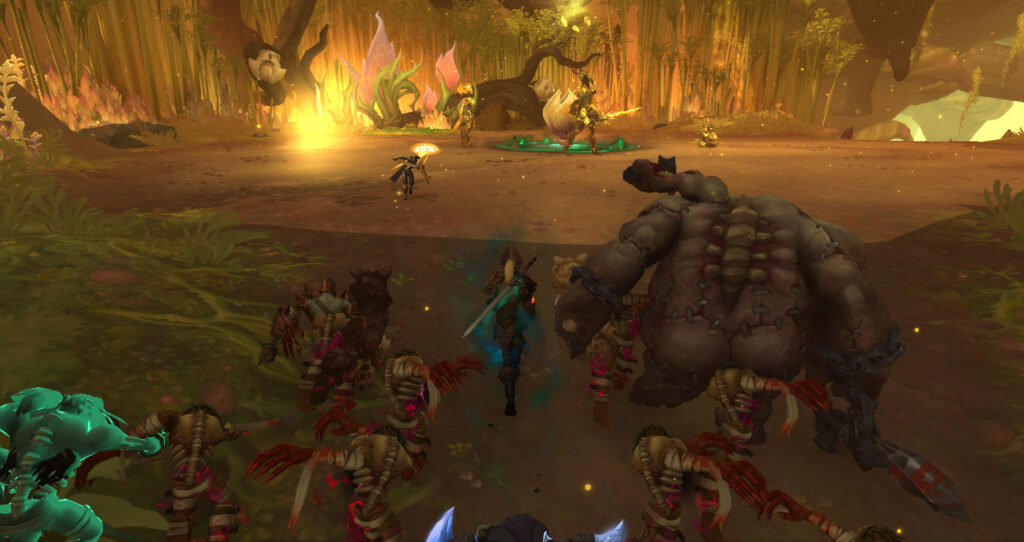
In Den of Nalorakk, players face a variety of environmental hazards and enemy mechanics that can quickly turn the tide of battle. Teams should focus on maintaining awareness of their surroundings and positioning themselves to avoid unnecessary damage. Utilizing crowd control abilities can help mitigate the impact of enemy mechanics, while also allowing for more effective rotations during engagements. Additionally, teams should prioritize resource management, ensuring that they have the necessary cooldowns available for critical moments.
What are the optimal rotations for each arena?
Optimal rotations vary by arena and require careful planning and execution.
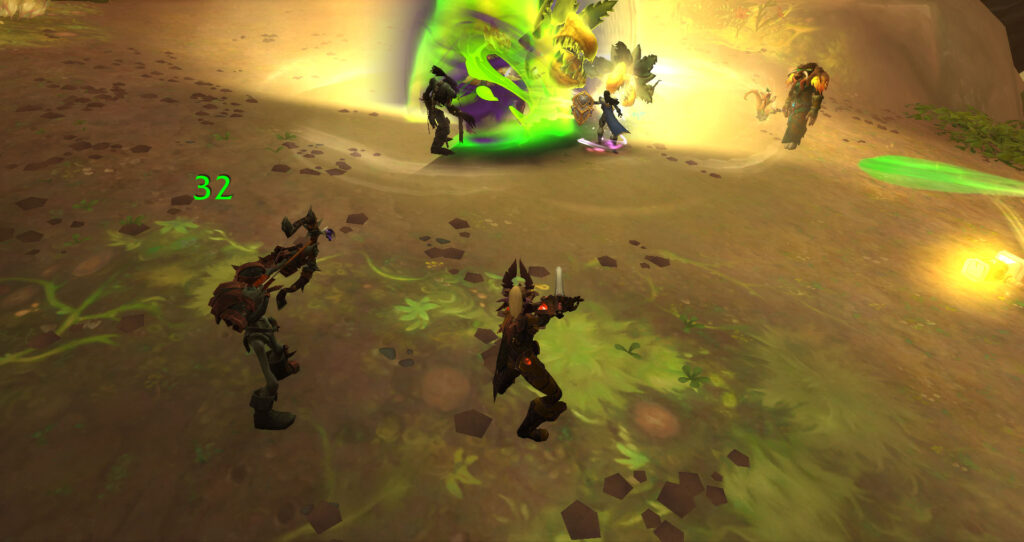
Understanding the optimal rotations for Voidscar Arena, Blinding Vale, and Den of Nalorakk is essential for maximizing team performance. The following table outlines general rotation strategies for each arena, highlighting key abilities and timing considerations.
| Arena | Key Abilities | Timing Considerations | Team Roles |
|---|---|---|---|
| Voidscar Arena | Area Control, Mobility Skills | Phase Shifts, Hazard Timing | Damage Dealers, Healers, Tanks |
| Blinding Vale | Visibility Enhancements, Crowd Control | Visibility Shifts | Support, Damage Dealers |
| Den of Nalorakk | Defensive Cooldowns, AoE Damage | Environmental Hazards | Tanks, Healers, Damage Dealers |
How can teams improve their spatial awareness in these arenas?
Improving spatial awareness is crucial for navigating the challenges of each arena effectively.
Spatial awareness involves understanding the layout of each arena and the positioning of both allies and enemies. Teams should practice maintaining their awareness of key locations, such as choke points and high ground, which can provide strategic advantages. Additionally, utilizing minimaps and in-game markers can help teams coordinate their movements and avoid unnecessary confrontations. Regular practice and communication are essential for developing this skill.
What benchmarks should teams aim for during rotations?
Establishing benchmarks for rotations can help teams measure their efficiency and effectiveness.
Teams should aim to establish specific benchmarks for their rotations, including optimal ability usage, cooldown management, and resource allocation. Tracking these metrics can provide valuable insights into team performance and highlight areas for improvement. Regularly reviewing gameplay footage can also help teams identify inefficiencies and adjust their strategies accordingly.
How can teams achieve long-term mastery of these arenas?
Long-term mastery requires consistent practice, analysis, and adaptation to evolving strategies.
To achieve long-term mastery in Voidscar Arena, Blinding Vale, and Den of Nalorakk, teams must commit to ongoing practice and analysis. This includes regularly reviewing gameplay footage, discussing strategies, and adapting to new challenges as they arise. Additionally, fostering a positive team environment that encourages open communication and constructive feedback can significantly enhance team performance over time.
Frequently Asked Questions
What is the best way to communicate during matches?
Effective communication during matches involves using clear and concise callouts for abilities, enemy positions, and strategic decisions. Teams should establish a common language for these callouts to ensure everyone is on the same page.
How can I improve my individual performance in these arenas?
Improving individual performance requires practice, understanding your class mechanics, and learning from mistakes. Focus on mastering your abilities and positioning to enhance your contribution to the team.
What should I do if my team is struggling?
If your team is struggling, try to identify the root cause of the issues and communicate openly with your teammates. Suggest adjustments to strategies or roles that could help improve overall performance.
How often should we practice as a team?
Regular practice is essential for team improvement. Aim for at least one dedicated practice session per week, along with casual play to maintain team cohesion and synergy.