Warband progression systems in World of Warcraft encourage players to think beyond individual characters. Shared progression, unlocks, and benefits reward long-term account planning, turning multiple characters into coordinated tools rather than isolated projects.
Shared Progress Changes Decision Making
When progress carries across characters, players choose activities based on account value rather than single-character gain. This reduces redundant effort and increases efficiency across the entire roster.
Role-Based Planning Improves Efficiency
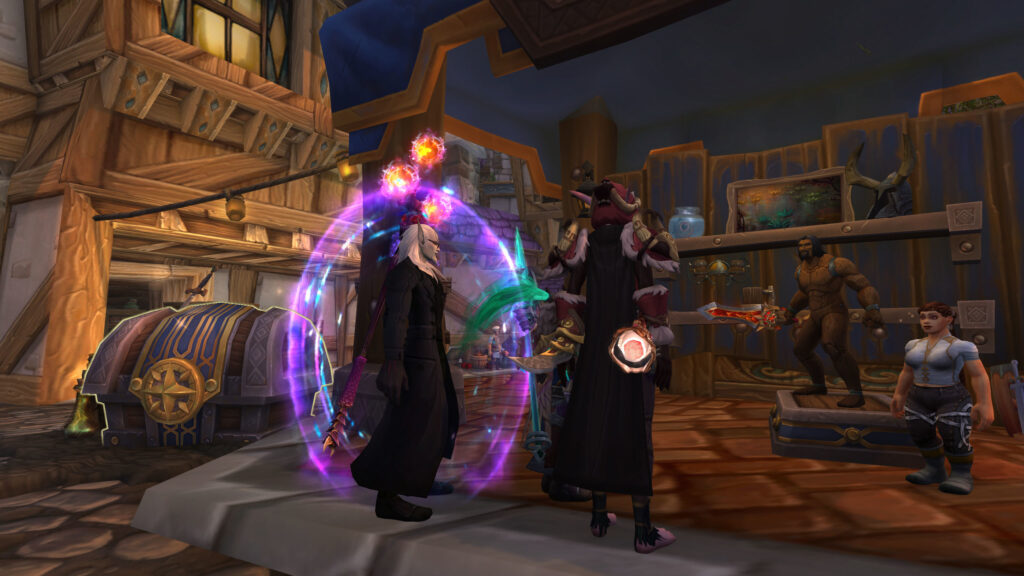
Different characters handle different roles more effectively. Tanks, healers, and damage dealers can be assigned specific tasks, allowing players to leverage strengths instead of repeating the same progression loops.
Long-Term Planning Reduces Burnout
Clear progression paths prevent scattershot play. Players log in with purpose, knowing which character advances which objective, keeping engagement focused and sustainable.
| Planning Approach | Without Warband Focus | With Warband Planning |
|---|---|---|
| Activity choice | Repeated per character | Shared completion |
| Role usage | Uniform play | Specialized roles |
| Time efficiency | Fragmented | Optimized |
| Account growth | Slow and uneven | Steady and cumulative |
Account-Level Strategy Becomes a Skill
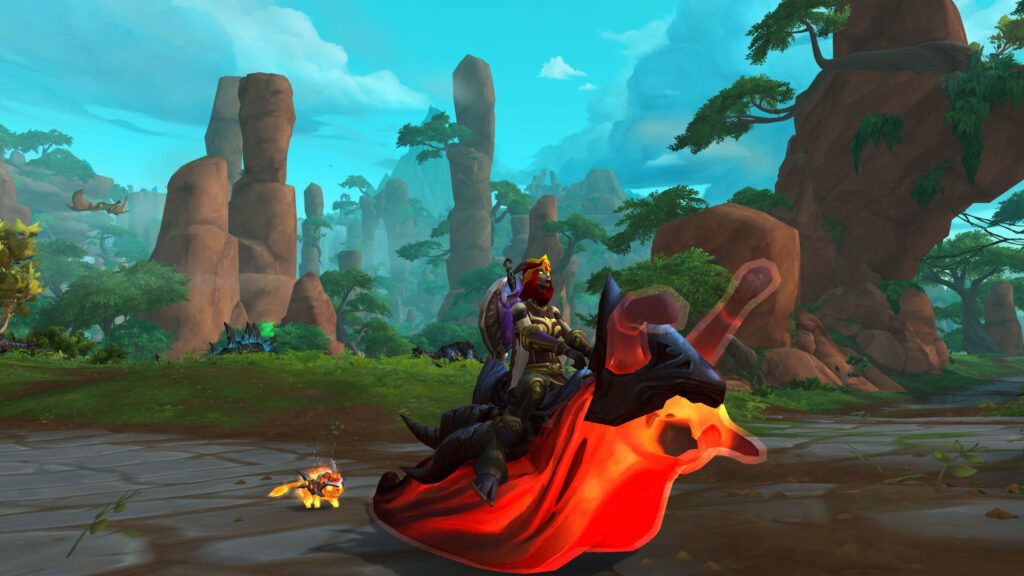
Players who plan progression at the account level gain advantages in flexibility and time management. Warbands reward foresight and coordination across roles.
Conclusion
Warband progression systems encourage long-term account planning across multiple roles. By rewarding coordination and foresight, they turn multi-character play into a structured and efficient endgame strategy.